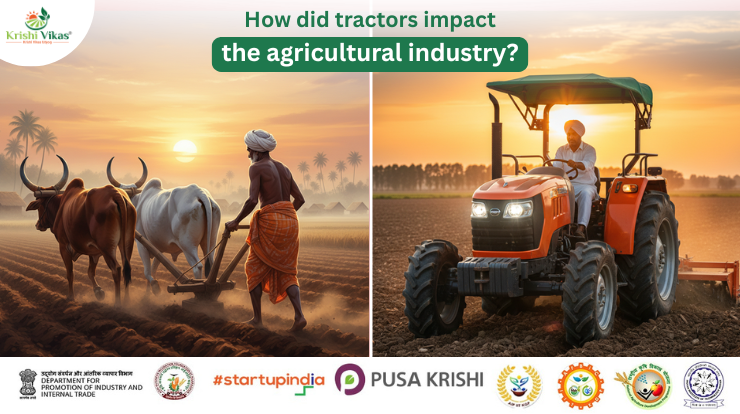
Tractors completely transformed farming practices. In earlier times, farmers depended heavily on manual labor and animal power to carry out essential tasks. Activities like ploughing fields, sowing seeds, and transporting harvests required immense effort and consumed valuable time, often affecting productivity. With the arrival of tractors, farms gained access to mechanical strength that sped up operations and reduced physical strain. This advancement not only improved efficiency but also reshaped modern agriculture, influencing how food is grown and how farms function today.
Productivity and efficiency management of firming through tractors
Expanding Fields, Expanding Possibilities
With tractors by farmers’ sides, we can manage far larger areas of land than before. What once required days of manual or animal-driven effort can now be completed much faster. This allows farmers to cultivate more land and increase productivity with greater confidence.
Power in Farmer’s Hands, Precision in Every Row
Reliable engine strength gives farmers the ability to operate heavier implements and advanced equipment smoothly. From plowing to accurate seed placement, farmers maintain consistent speed and proper depth—creating the right foundation for healthier crop growth.
Doing More in Less Time
Tasks that once demanded long hours of physical labor are now completed efficiently. Tractors reduce our workload and help farmers move swiftly from land preparation to sowing. During peak seasons, this time advantage protects both the schedule and yields.
Consistency That Strengthens Every Harvest
Machines don’t tire, and that steady performance works in the favor of farmers. Uniform soil preparation and smooth field operations lead to even crop emergence. With greater consistency across the field, farmers build stronger and more reliable harvests.
Bestselling tractors for better
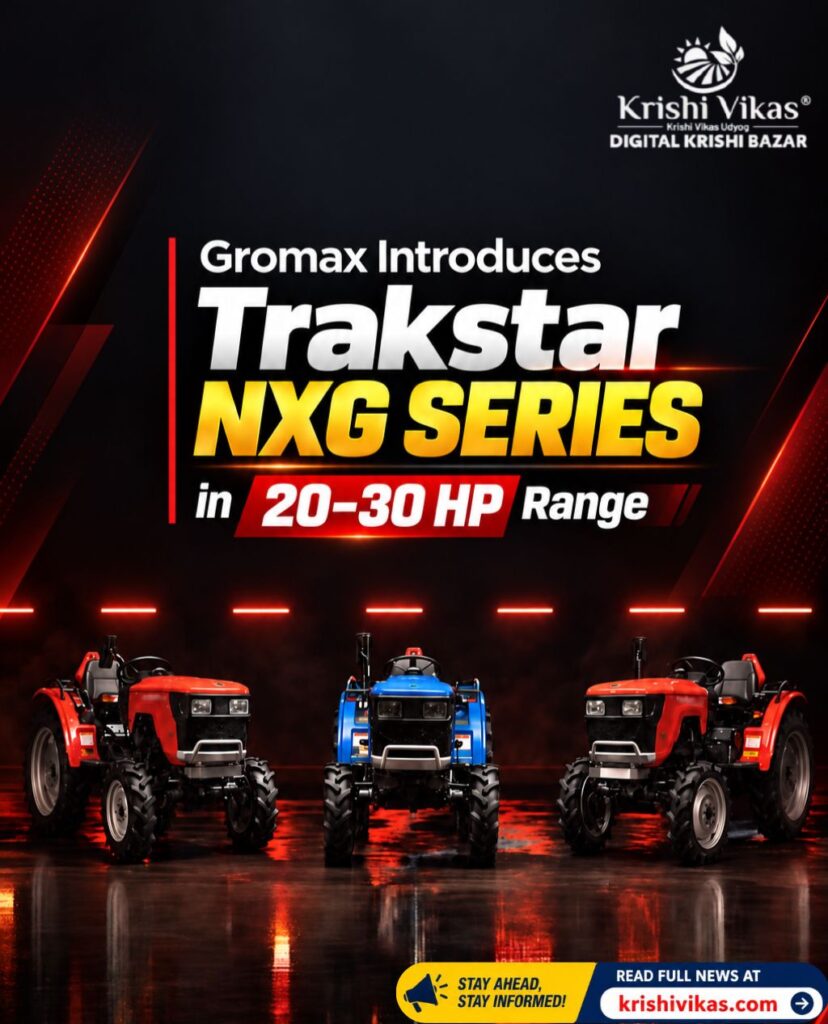
Farmers today can choose from a wide range of tractors depending on their land size and type of work. For general farming and reliable implement handling, models like the Swaraj 744 FE offer around 46–50 HP, making them suitable for everyday agricultural tasks. Smaller farms and orchard owners often prefer compact options such as the Mahindra Jivo 245 DI 4WD, a 24 HP tractor designed for intercrop activities and narrow spaces.
For more demanding field operations, tractors like the John Deere 5310 4WD provide 55 HP of power, supporting heavier implements and tougher workloads. Orchard-specific models such as the Swaraj 724 XM Orchard NT, with 25 HP, are built to perform efficiently in tight field conditions. Meanwhile, balanced mid-power tractors like the Sonalika DI 745 III Sikander, offering around 50 HP, serve mixed farming needs effectively. Together, these options highlight how modern tractors are designed to support everything from lightweight orchard work to heavy-duty field preparation with efficiency and ease.
Summing up
Tractors transformed the agriculture sector by making farm work quicker, more efficient, and far less reliant on intense manual labor. They enable farmers to cultivate larger areas, complete essential tasks within the right time frame, and operate multiple implements using a single machine. Over the years, this advancement has significantly improved productivity and strengthened farm planning, reshaping not only how food is produced but also how agricultural livelihoods continue to grow and adapt.